



The wellness industry is entering a new era. Modern medicine offers precision and speed, yet it struggles with lifestyle diseases and side effects. Ayurveda, India’s ancient system of healing, emphasizes prevention, balance, and natural remedies, but has long faced questions of standardization and scientific rigor. Biotechnology is emerging as the bridge—bringing precision tools to validate and scale traditional wisdom for global acceptance.A market on the rise
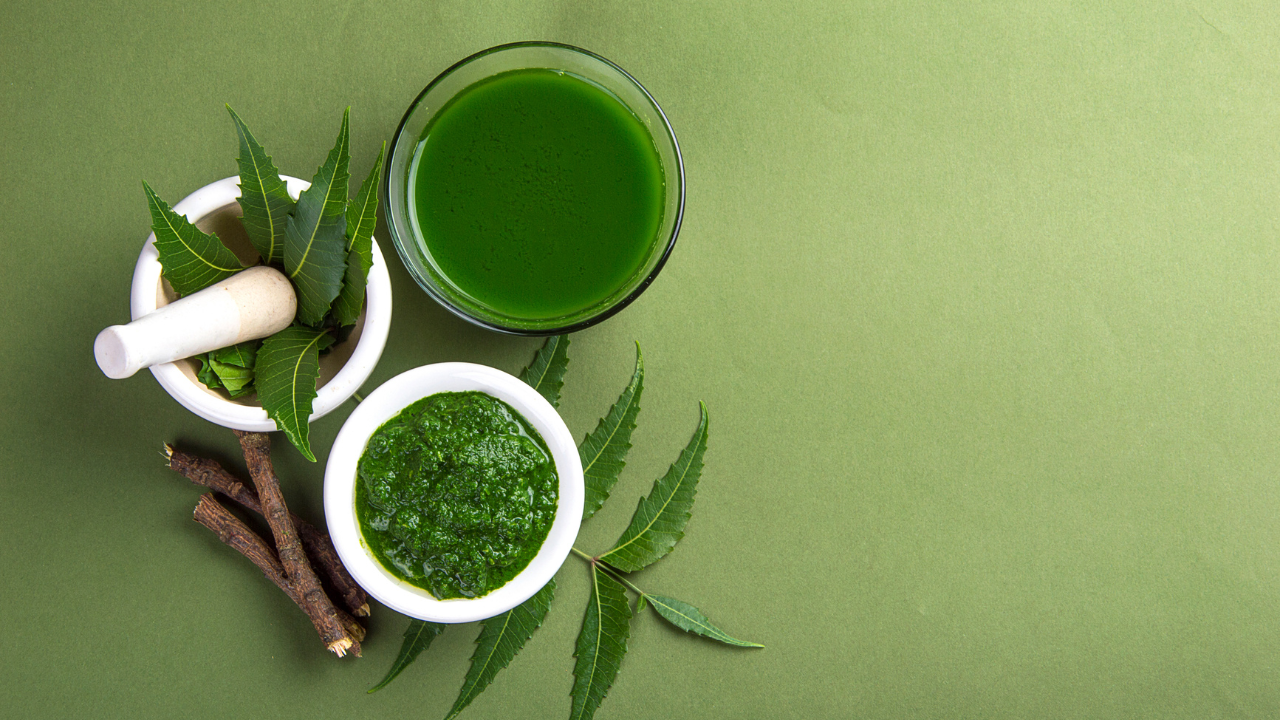
Globally, the Ayurvedic market was valued at USD 18.6 billion in 2025 and is expected to reach USD 89.8 billion by 2033, growing at a compound annual growth rate of more than 25 percent. India has seen parallel momentum, with over USD 500 million in private equity investment in Ayurvedic and wellness start-ups between 2022 and 2023. Major players such as Patanjali are increasingly aligning with biotechnology to reinforce credibility and scale, reflecting a larger shift in how the sector is positioning itself for the future.How biotechnology strengthens Ayurveda
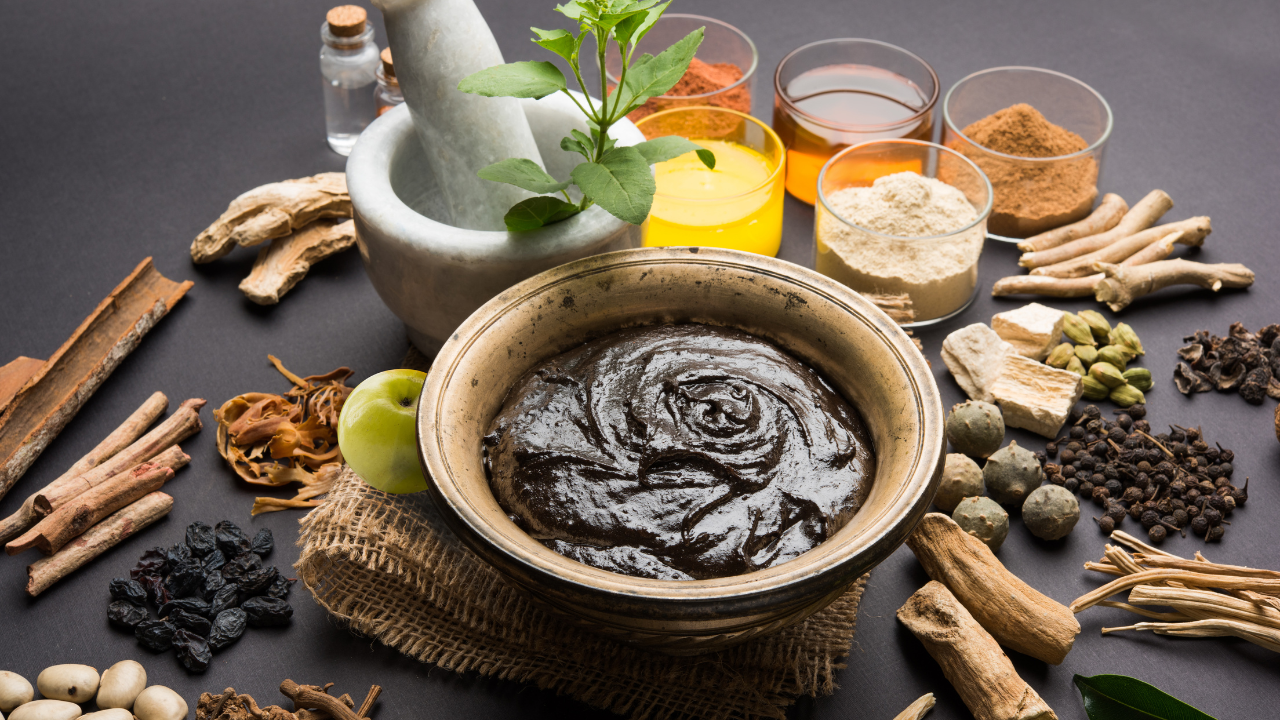
Phytochemical Profiling and ‘Omics’Advanced methods such as GC-MS and LC-MS are isolating and identifying active molecules in classical remedies. Research on Triphala has validated antimicrobial and antidiabetic potential, while studies on Lauha Bhasma have shown nanoparticle structures that echo modern nanoscience.Systems Biology and Network PharmacologyAyurveda’s strength lies in multi-herb formulations. Biotechnology now enables mapping of how thousands of phytochemicals interact with human proteins and pathways. A large-scale study revealed that nearly 45 percent of Ayurvedic phytochemicals interact with over 1,600 proteins, offering scientific support for Ayurveda’s complex formulations.Safety and StandardisationGenetic barcoding and advanced diagnostics help prevent adulteration and detect contaminants such as heavy metals and pesticides. This addresses one of the biggest gaps in Ayurveda – consistency across products and batches.Sustainable cultivation
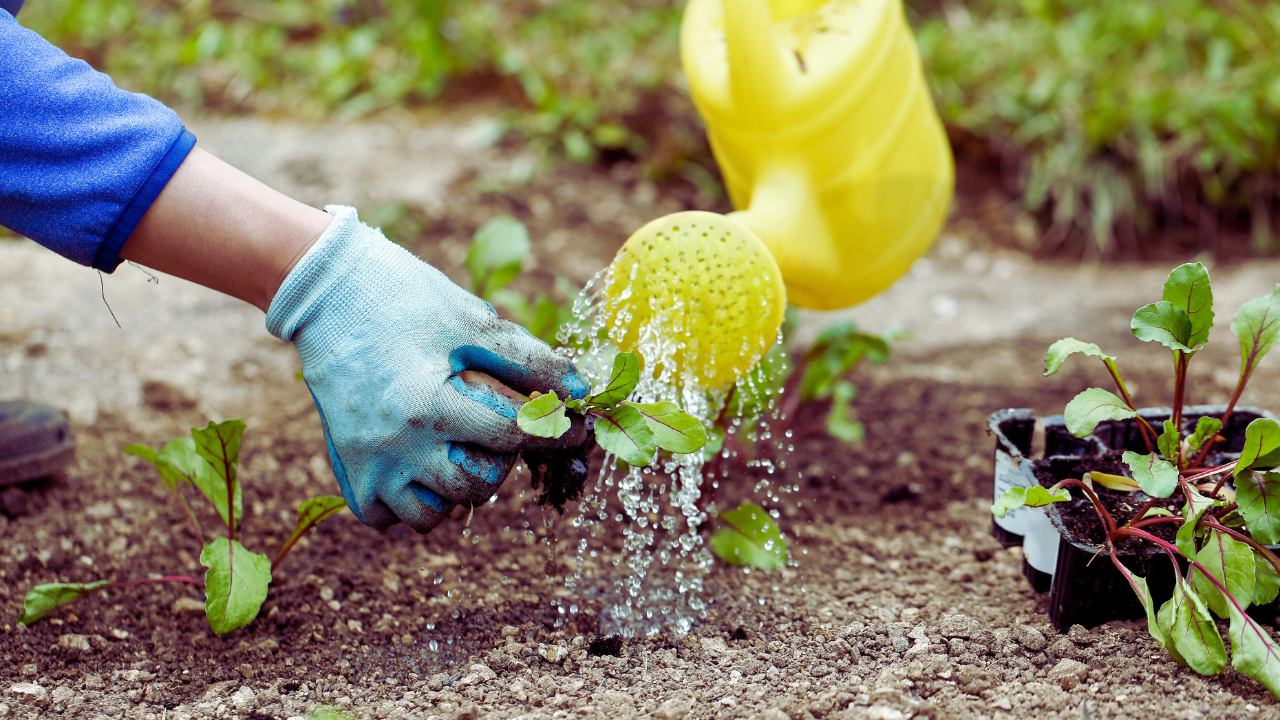
Bio-fertilizers, microbial inoculants, and soil diagnostics are ensuring that herbs are cultivated in ways that preserve potency while protecting the environment. This biotechnology-driven approach is crucial for scaling Ayurveda responsibly.Clinical validationRigorous human trials and bioavailability studies are the next frontier. With biotechnology, Ayurveda can move beyond anecdotal evidence toward globally accepted therapeutic validation.Challenges aheadKey challenges persist in this integration:• Natural variability in raw materials.• Limited large-scale clinical trial data.• Regulatory ambiguities across markets.• Ethical concerns, including biopiracy and protection of traditional knowledge.The convergence of Ayurveda and biotechnology is not about abandoning tradition but strengthening it with science. With leading Indian brands like Patanjali investing in research and biotech applications, the sector is evolving rapidly. Its long-term credibility, however, will depend on rigorous trials, transparent regulation, and sustainable practices. If these align, the Ayurveda–biotechnology fusion could redefine preventive healthcare and holistic wellness for the modern world.
link