

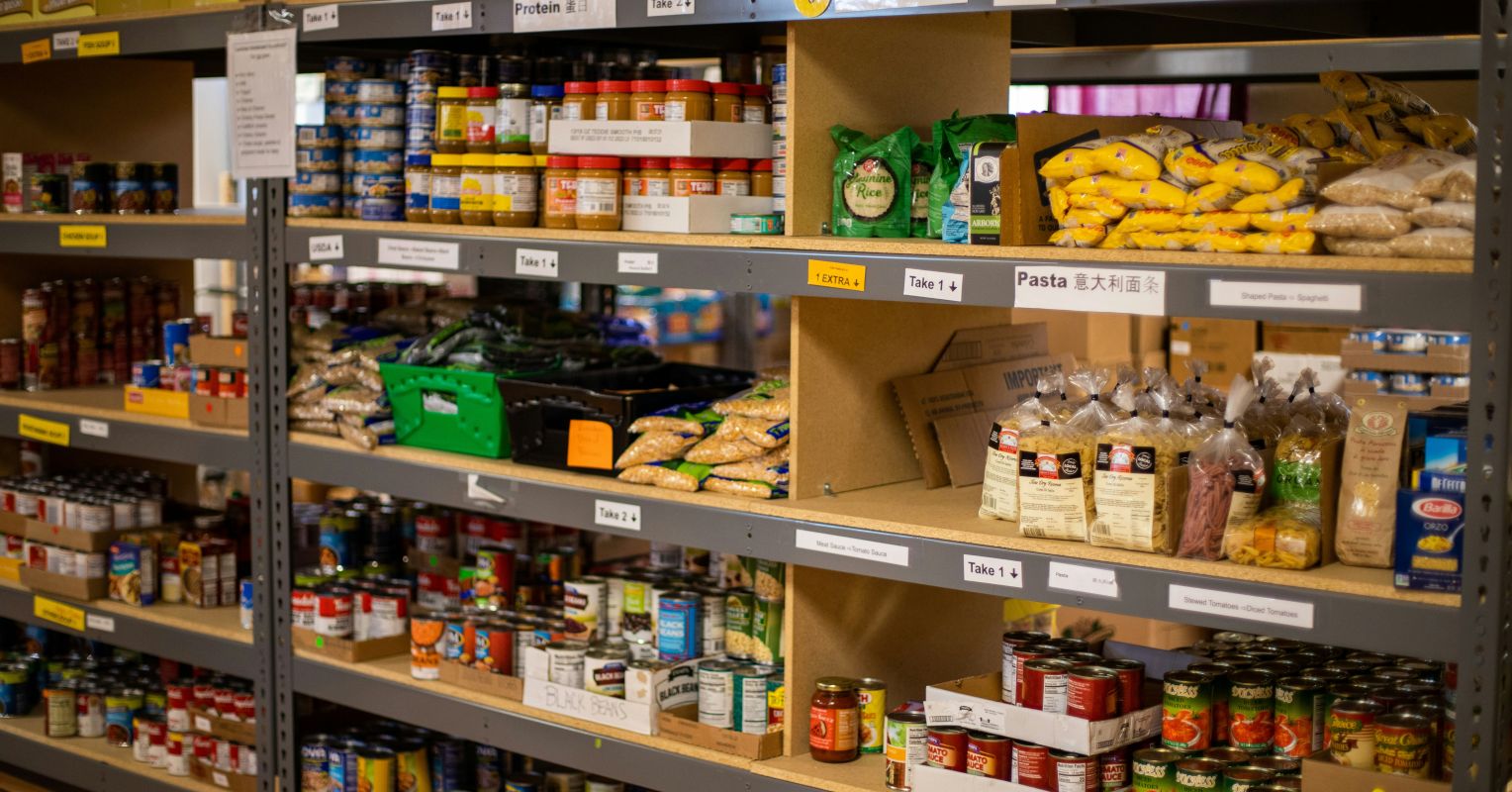
My field, social work, is predicated upon connecting individuals and families with resources in accordance with their unique challenges. As a continued government shutdown goes on with seemingly no resolution in sight, one of those important resources that many individuals and families rely on is food assistance or, abbreviated, SNAP (Supplemental Nutrition Assistance Program) benefits, which provide monthly help to low-income citizens to help them purchase nutritious food. SNAP benefits, which, according to the USDA, assist 41.7 million people per month, are only days away from being taken away from people who desperately need them. The impact on nutrition is obvious, but there is a secondary yet profoundly important impact that loss of SNAP benefits will undoubtedly have on individuals and families: mental health.
The Studies
A bidirectional study by The American Journal of Psychiatry concludes that “an abundance of studies have provided evidence that bolsters the association between mental disorders and food insecurity yet goes on to point out that “very few have aimed to discover solutions to this problem.” Many other studies support this conclusion, such as one featured in a 2025 issue of PLOS Mental Health: “food insecurity predicted higher concurrent symptoms of anxiety and depression (measured respectively with GAD-7 and PHQ-8), controlling for gender, age, time and mental health in the previous month.”
It is clear that there is a research-backed link between food insecurity and mental health problems such as anxiety and depression. But there is a logical link as well: malnourishment makes people more susceptible to disease or illness and disease or illness naturally cause psychological problems. Even more logical: if you are unsure of how you will feed yourself or your family, you will likely experience anxiety about it and possibly feelings of depression about your circumstances. When the programs that you have relied on are suddenly inaccessible, this will only exacerbate those feelings.
The Cycle
To go a step further, food insecurity clearly connects to mental health problems, which means that individuals then seek mental health resources. It is, of course, well documented that these psychological resources are underfunded, inaccessible to many, and overburdened. The American Journal of Psychiatry study quoted above points out that “those living in food-insecure households have a greater use of mental health services compared with those not living with food insecurity.” But what happens when those mental health services they seek are not available? According to a study in General Hospital Psychiatry, in 2023, average wait times for in-person and telepsychiatry appointments were between 43 and 67 days—and this can be significantly worse in rural areas.
For some individuals, a 43-day wait for mental health services could mean a catastrophic outcome. For example, a 2022 study found that among a set of 26,962 students with food insecurity, a staggering 30% reported feeling sad or hopeless for two weeks or more over the past 12 months, a marker of depression and, in the worst case, of suicidality. So, this is a layered problem: When individuals are food insecure, their mental health is negatively affected. But when they seek assistance for their mental health, those services are not necessarily available or immediately accessible. The consequences of this cycle can be devastating.
What to Do
There is no doubt that the effects of food insecurity on mental health can be dire. The social work field, in addition to seeking to help individuals secure resources, also seeks to remain vigilant about how to help and continuously educated on ways to support those with whom we work. At such a fraught time in our country, we must remain staunch advocates for those psychologically affected by the loss of food assistance. Here are a few things we in the mental health field can do to remain true to this ethic:
- Make yourself aware of community and state programs where you practice that you can share with clients in need of food assistance. Reach out to these programs and agencies to connect and network.
- Keep abreast of national events, such as the government shutdown, and how these affect vulnerable populations. Seek to understand the situation from a multifaceted perspective, from policy implications to everyday implications.
- Explore ways to advocate for those affected by using your influence and expertise.
- Help within your local community by donating, advocating, and collaborating with agencies and entities that are supporting those affected.
- If you are able, consider offering sliding-scale or pro bono mental health services to those affected.
- Continuously educate yourself about current societal and governmental issues and how they affect the psychological health of individuals.
link